
8 Tips of Game Ad Creative
Eight game ad creative approaches illustrated with real mobile game examples, from influencer-led demonstrations and live-action storytelling to gameplay showcases, visual contrast, and failure-driven endings.
There are a huge number of game advertisements competing for attention, so standing out with a strong creative concept is one of the biggest challenges for advertisers. As the first thing many users see in a campaign, ad creative can play an important role in whether the advertising succeeds.
Game ads can take many forms, and different creative approaches can produce very different results. Rather than relying entirely on untested ideas, studying successful examples can provide useful inspiration for future campaigns.
8 game ad creative approaches covered in this article
- Influencer effect and live commentary
- Eye-catching live-action characters
- Movie and IP recognition
- Showing game features
- Character-driven storytelling
- Split-screen visual comparison
- Audience psychology and pain points
- Tension, setbacks, and a failed ending
Influencer Effect and Live Commentary
The advertising for the popular mobile game Darkness Rises stood out for both its presentation and production quality. Popular YouTube gaming creators were invited to comment on and demonstrate the game as part of its promotion.
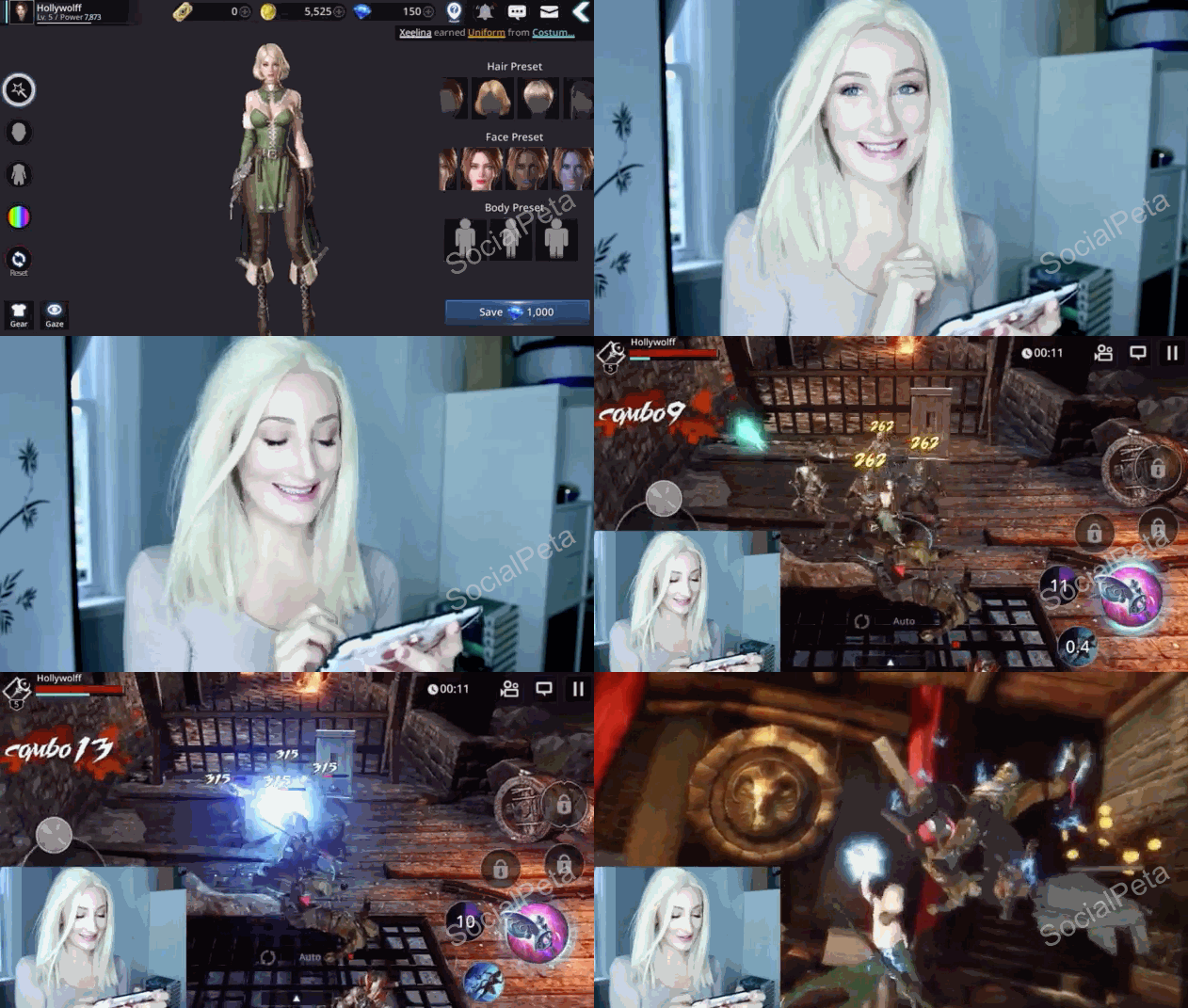
The creative uses a relatively simple format: the creator explains the game screen and demonstrates elements of the gameplay, including character customization. Using the influence of online creators has become a common advertising approach, particularly for competitive mobile games.
Creators can explain what they are doing while playing and use entertaining or skillful gameplay to hold attention. In this way, the creative can promote both the personality of the creator and the game itself.
If an influencer campaign is outside your budget, user-generated video reviews can provide another lower-investment format. For additional examples, see AppAgent's UGC Ads Library.
Use Eye-Catching Live-Action Characters
Visually striking live-action characters can be used to attract attention before introducing the game itself. The example below was used as a game advertising creative in the United Arab Emirates, combining live-action characters, plot-driven presentation, and energetic background music.

The Mobile Strike creative uses a live-action simulated battlefield. Several characters are divided into opposing camps, creating an immediate conflict within the advertisement.
Combining recognizable game themes with live-action storytelling can make the ad feel more like a short piece of entertainment than a straightforward product demonstration. The conflict gives viewers a reason to keep watching while the game remains at the center of the message.
Use Established Movie and IP Recognition
A mobile game connected to a well-known movie or entertainment franchise has a natural recognition advantage. The Harry Potter franchise had already remained popular for many years, so its recognizable world, characters, and story could also provide a strong foundation for mobile game advertising.
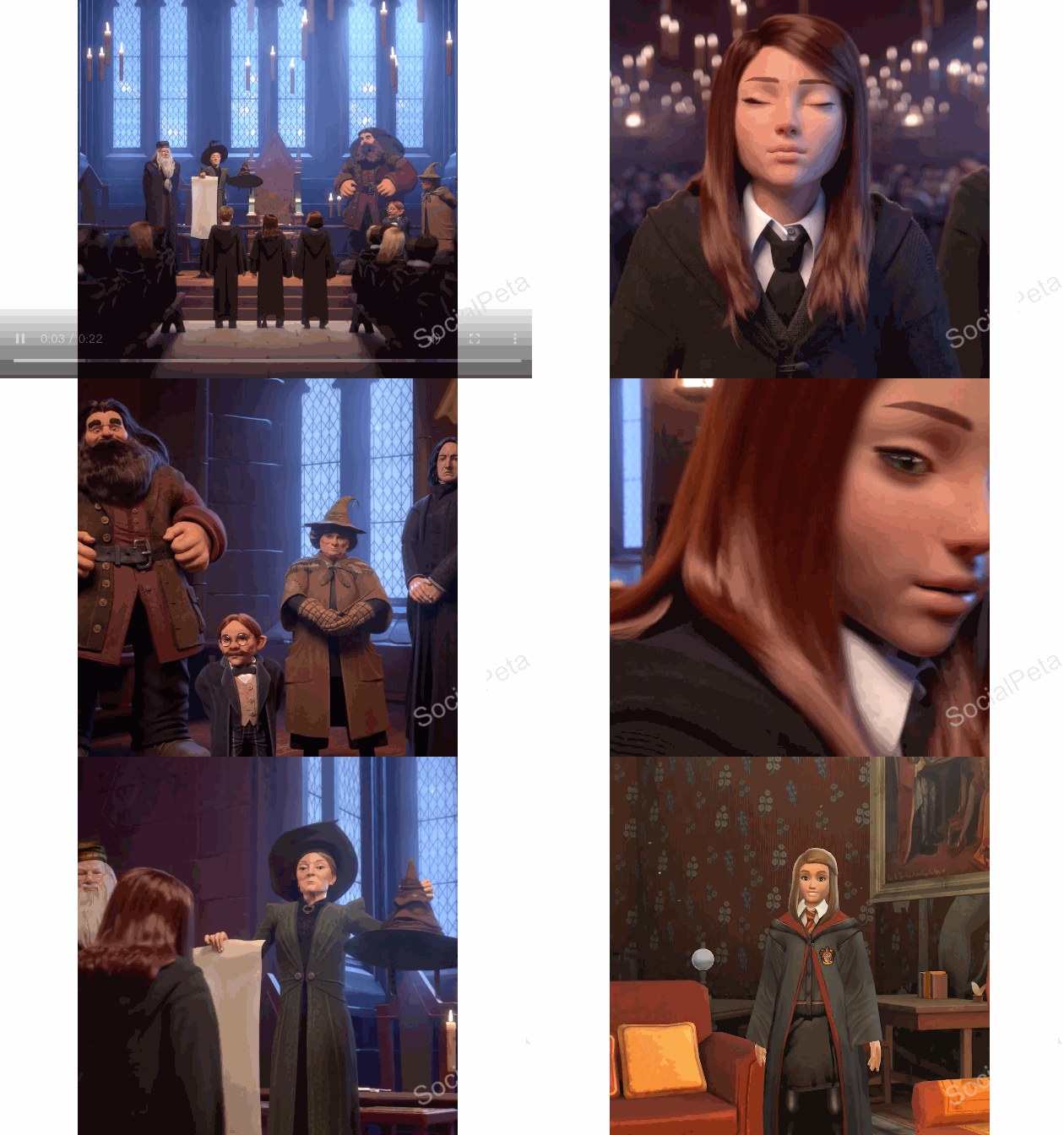
The advertising design in this example recreates familiar characters through animation and 3D presentation. The viewer enters the game from a first-person perspective and completes tasks alongside recognizable characters.
By using the familiarity of the movie universe and its story, the creative can quickly establish context for viewers who already know the franchise and give them a sense of how that world has been translated into a playable experience.
Show the Game's Core Features
Showing the actual features that define a game can be an effective creative approach, especially for puzzle-solving and casual games. These genres often have mechanics that can be understood quickly, making the gameplay itself useful advertising material.

Words Story is a word-spelling puzzle game. Its creative combines the word puzzle mechanic with an escape scenario, using the gameplay itself to create a simple story and attract attention.
Instead of building an advertising concept that is disconnected from the product, this approach starts with the characteristics of the game itself. The prison-escape storyline provides context while the spelling mechanic demonstrates what the user will actually do in the game.
Use Characters to Tell the Game Story
Boom Beach combines recognizable characters, accessible gameplay, and an ongoing story. Its advertising creative can therefore build on those same elements rather than introducing an unrelated concept.
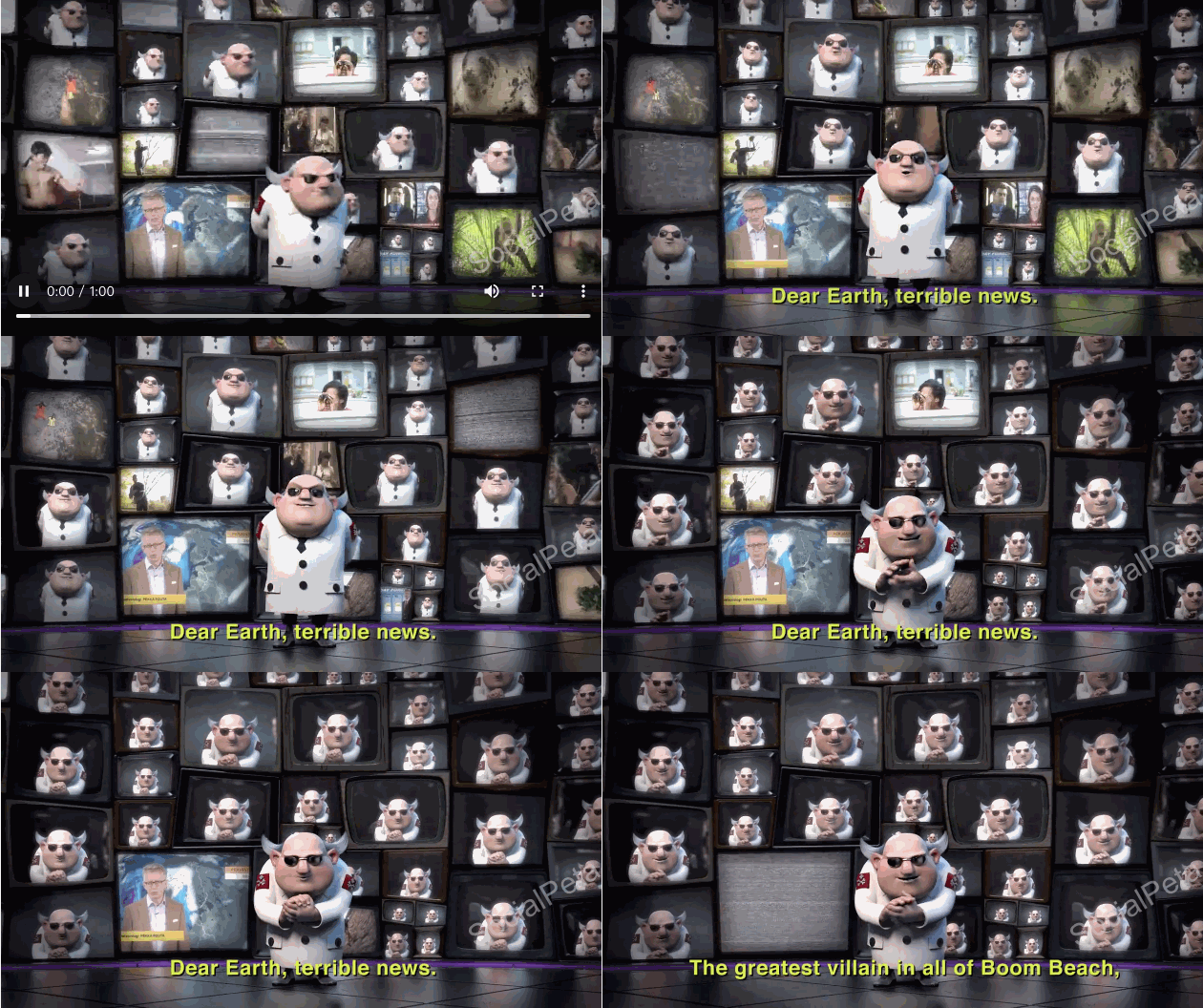
This creative is structured around a villain from the game, Doctor Horror, using the character's presentation to explain and dramatize the game world. The 3D character animation is combined with a story-driven sequence intended to make viewers curious about what happens next.
Character-focused advertising is particularly useful when a game's identity is strongly connected to its cast and narrative. Reusing those assets can help the advertisement feel consistent with the game itself.
Use Split-Screen Visual Contrast
Multiple game states or modes can be placed on the same screen to create an immediate visual contrast. Differences in motion, color, brightness, or timing can make the creative easier to notice while also showing more than one part of the game.
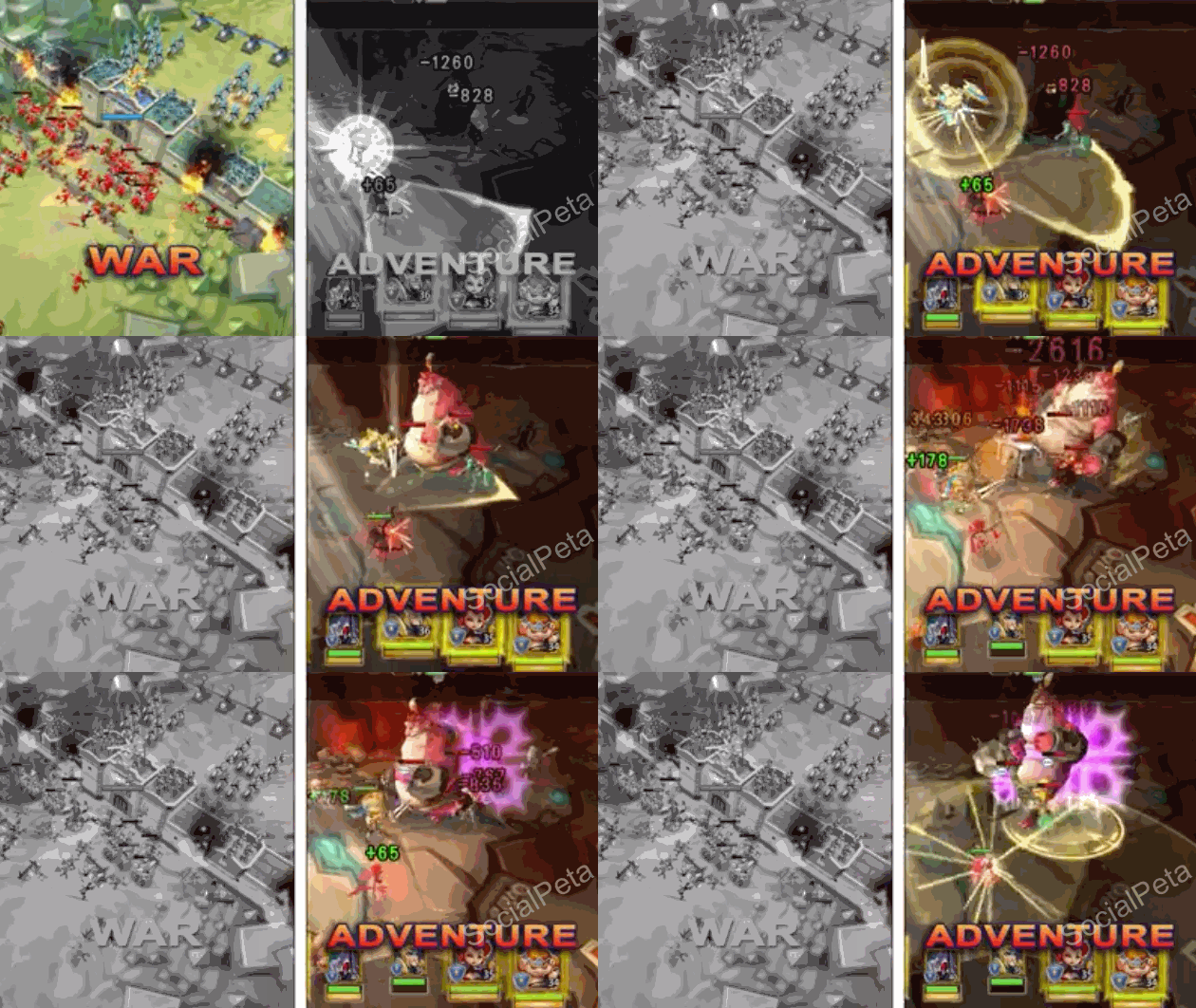
Lords Mobile uses this type of visual conflict in the example above. One side of the screen plays first while the other remains black-and-white and still. The presentation then switches, creating an obvious contrast between the two sides.
The movement between the two visual states helps direct the viewer's eyes and gives the creative a clear rhythm without requiring a complicated explanation.
Use Audience Psychology and Pain Points
Advertising creatives often use curiosity, tension, frustration, or other psychological triggers to encourage viewers to keep watching. Casual games are particularly suited to this approach because their core mechanics are frequently easy to combine with short dramatic scenarios.
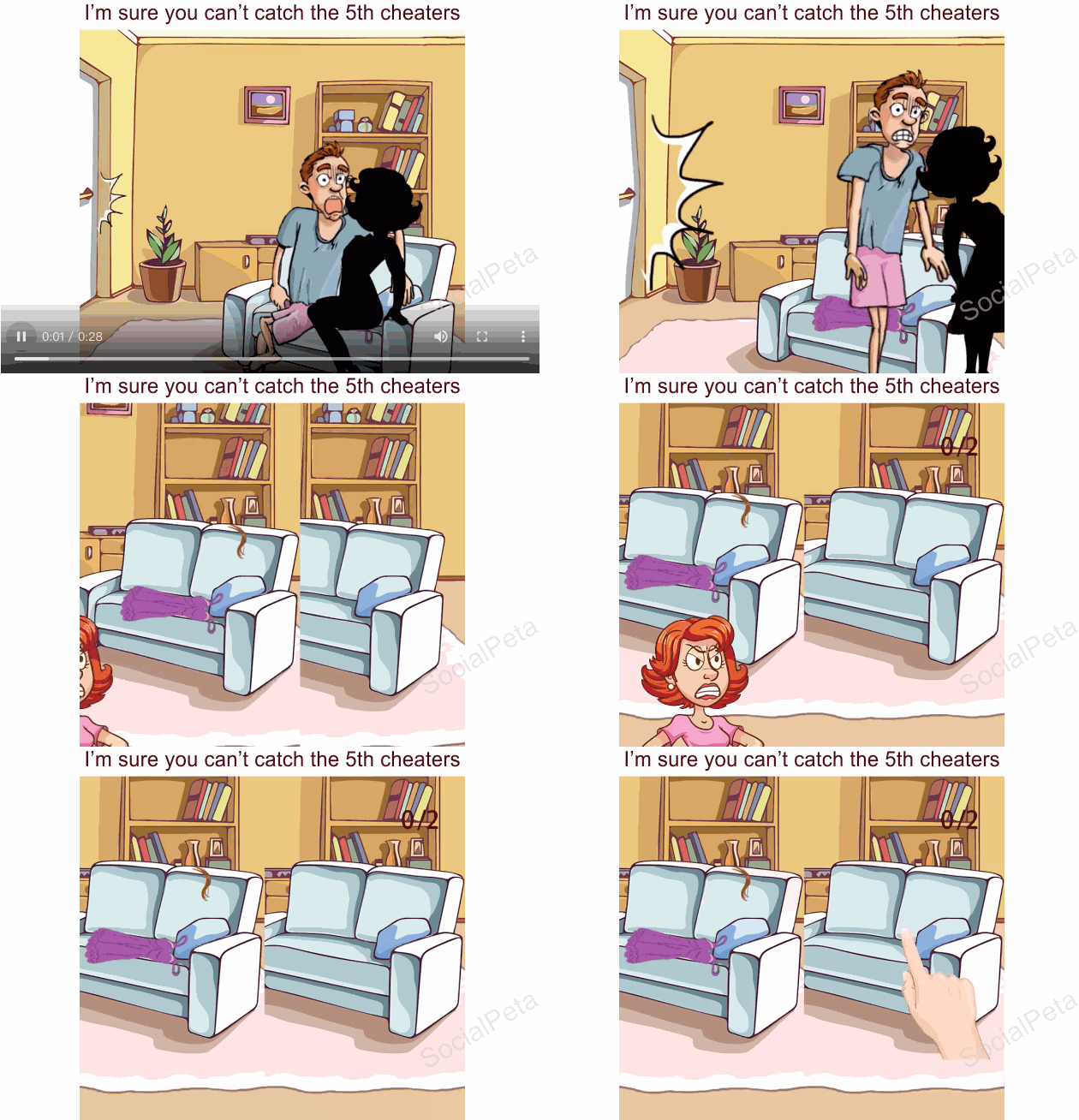
Find The Differences uses a relationship-conflict scenario in which a wife discovers her husband cheating. The familiar spot-the-difference mechanic is integrated directly into the dramatic story.
The original analysis argues that matching a dramatic scenario with the interests and psychology of the intended audience can increase attention and conversion. The broader creative principle is to understand what will make a particular audience curious enough to interact with the gameplay shown in the advertisement.
Build Tension and End in Failure
Another common game advertising technique is to make the early part of a challenge look easy, gradually introduce more difficulty, and then end with a small mistake that causes the player to fail.
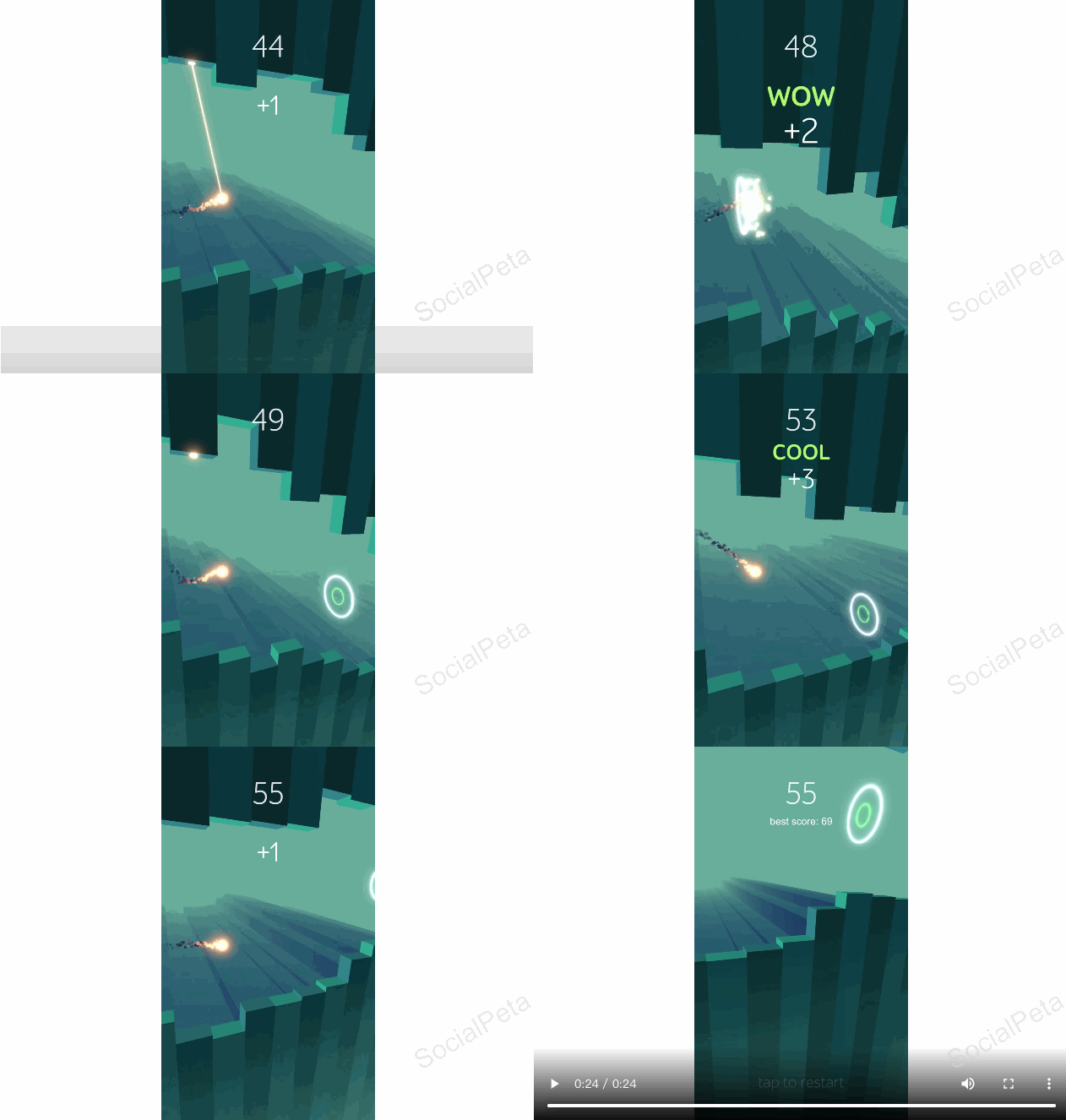
Fire Rides is a parkour-style game with simple graphics, soft colors, and straightforward controls. The advertising creative uses those accessible qualities while allowing the gameplay attempt to end in failure.
A failed ending leaves the challenge unresolved. Viewers may feel that they could perform the action better themselves, giving the advertisement another psychological mechanism for encouraging interaction or download behavior.
Conclusion
These eight game advertising creative approaches were collected and summarized by SocialPeta as examples of how mobile game marketers can structure their advertising ideas.
For game advertising, creative execution is one of the most important parts of the campaign. When a team lacks a strong new concept, studying successful examples can help identify formats, visual structures, narratives, and psychological triggers that may suit the game being promoted.
Innovation can create standout results, but experimentation also carries risk. Reviewing proven creative approaches before developing a new campaign can provide a more informed starting point.