
How did social media apps become super money magnets in India?
SocialPeta's 2022 analysis examines the social apps attracting the most downloads and revenue in India, and the localization, creator, live-streaming, advertising and monetization strategies behind their growth.
India's Social App Market in 2022
According to a TechCrunch report cited when this article was originally published, India's mobile phone users were spending nearly five hours per day on apps, ranking fifth among 17 major markets around the globe.
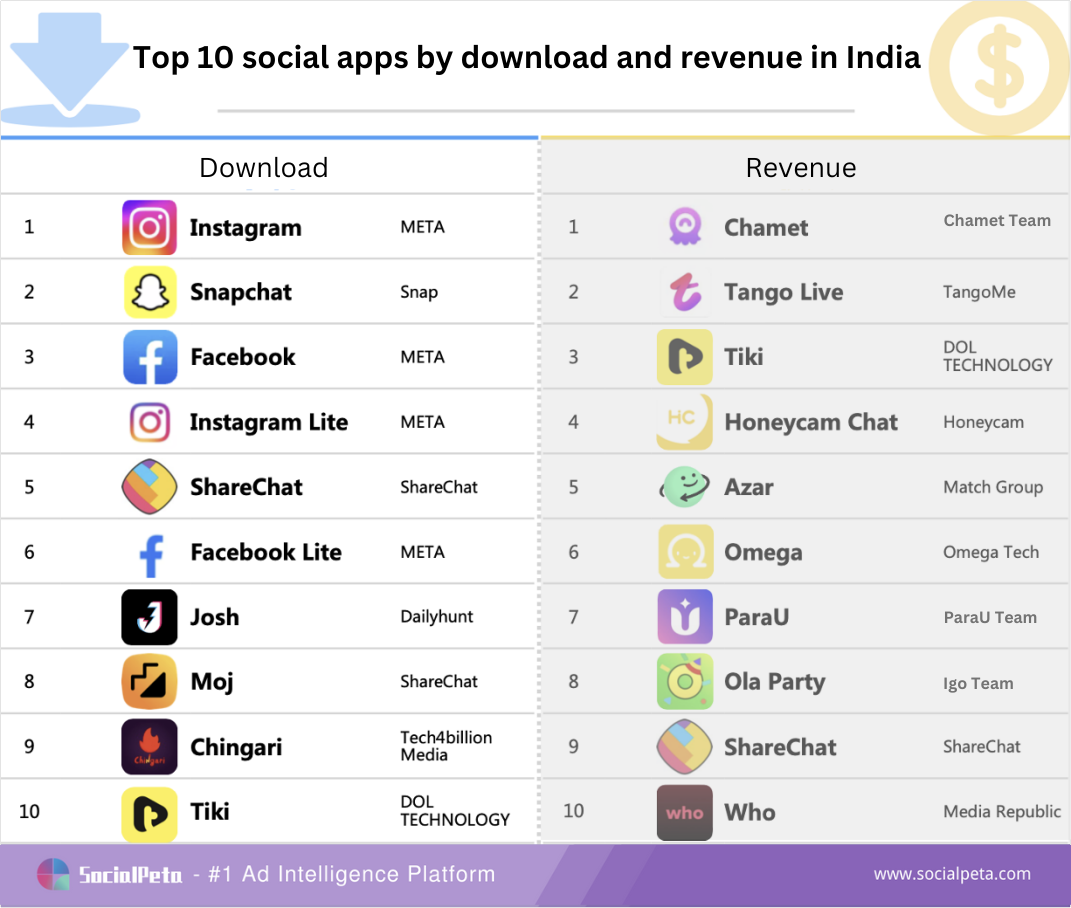
What apps did these highly engaged Indian mobile users mainly use, and on which apps were they most willing to spend money? SocialPeta analyzed the top 10 social apps in India by downloads and revenue over the preceding six months to help mobile app professionals understand the status and direction of the country's social app market at the time.
In general, popular social apps in India shared several characteristics:
- Lite versions: Smaller installation packages could run more smoothly under slower network conditions, making them better suited to users in lower-tier cities.
- Multiple language environments: India has 22 officially recognized languages, while major local apps commonly supported more than 15 language environments.
- Money-making modes: Apps encouraged users to earn money through referral programs, content creation and other incentive mechanisms.
- Live-streaming optimization: Platforms invested in real-time chat, live-room effects and other improvements to the live experience.
- Social commerce: Social networking and e-commerce were becoming increasingly integrated, with more platforms exploring or establishing commercial partnerships.
The sections below examine the user-acquisition and monetization strategies behind several apps appearing in SocialPeta's six-month download and revenue rankings.
Instagram: A Window on the World for Young People
Instagram topped the download ranking with a large user base and strong download growth, rising 77.79% quarter over quarter during the six-month period. Instagram Lite ranked fourth in downloads with growth of 74.37%. Facebook and Facebook Lite were also present in the ranking.
These results highlighted the demand for lightweight applications among Indian users. The original analysis noted that about 86% of Indian internet users came from areas outside first- and second-tier cities, making Lite versions particularly useful in more complicated or unstable network environments.
During the six months covered by the article, Instagram also introduced several measures related to protecting younger users, including parental supervision tools, age-verification initiatives and sensitive-content settings. The June update referenced in the original article included controls intended to shield users under 16 from sensitive content.
These measures were not exclusive to India. For an app with an already substantial user base, the analysis argued that Instagram's positioning was increasingly international rather than narrowly localized, and that this was also visible in its advertising.
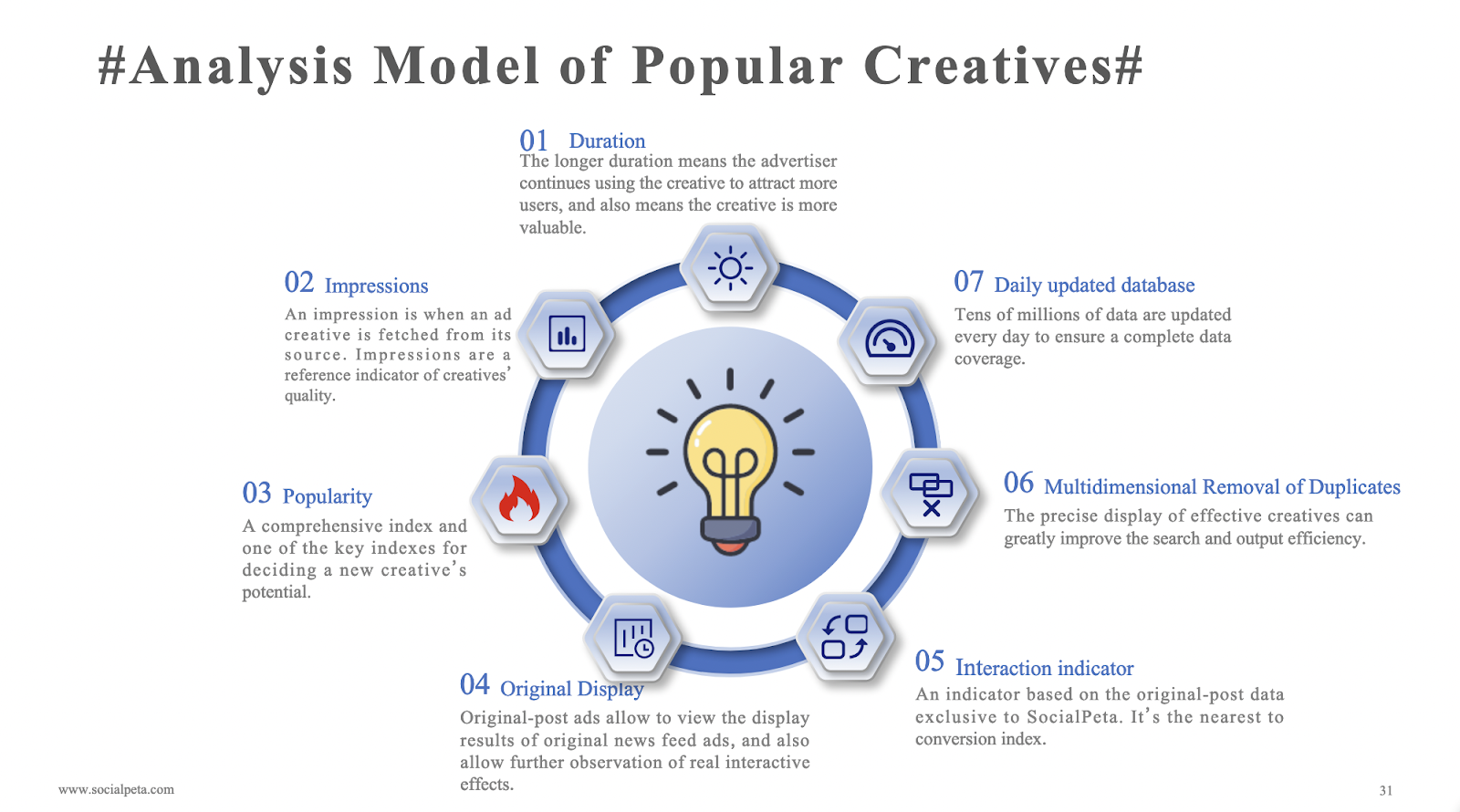
According to SocialPeta's Popular Creative Analysis Model, the strongest-performing Instagram creative during the period had a value of 103.4M and had been active for only 38 days. The creative showed an Indian girl drawing inspiration while painting cups and developing manicure ideas, with ad copy centered on creativity and innovation.
SocialPeta's review of Instagram's other popular ads identified three recurring characteristics:
- The analyzed creatives were released on YouTube.
- Creative themes focused mainly on fashion, beauty and dancing.
- The number of creatives using English was about five times the number using Hindi.
The original analysis connected these creative patterns with an international positioning that made Instagram a window through which younger Indian users could follow global fashion and cultural trends. At the time, Instagram was described as having a 230-million-user base in India.
ShareChat: India's Local Social Platform
Among social apps developed by Indian companies, ShareChat recorded the highest downloads in the period covered by the article. Its product model resembled Instagram in encouraging users to create and share content, but its localization strategy was much more explicit.
As one of India's early dialect-focused social platforms, ShareChat supported 15 dialects, which the original article said covered roughly 75% of the languages used in India. Its straightforward interface also helped make the app accessible to new users and supported expansion into lower-tier cities.
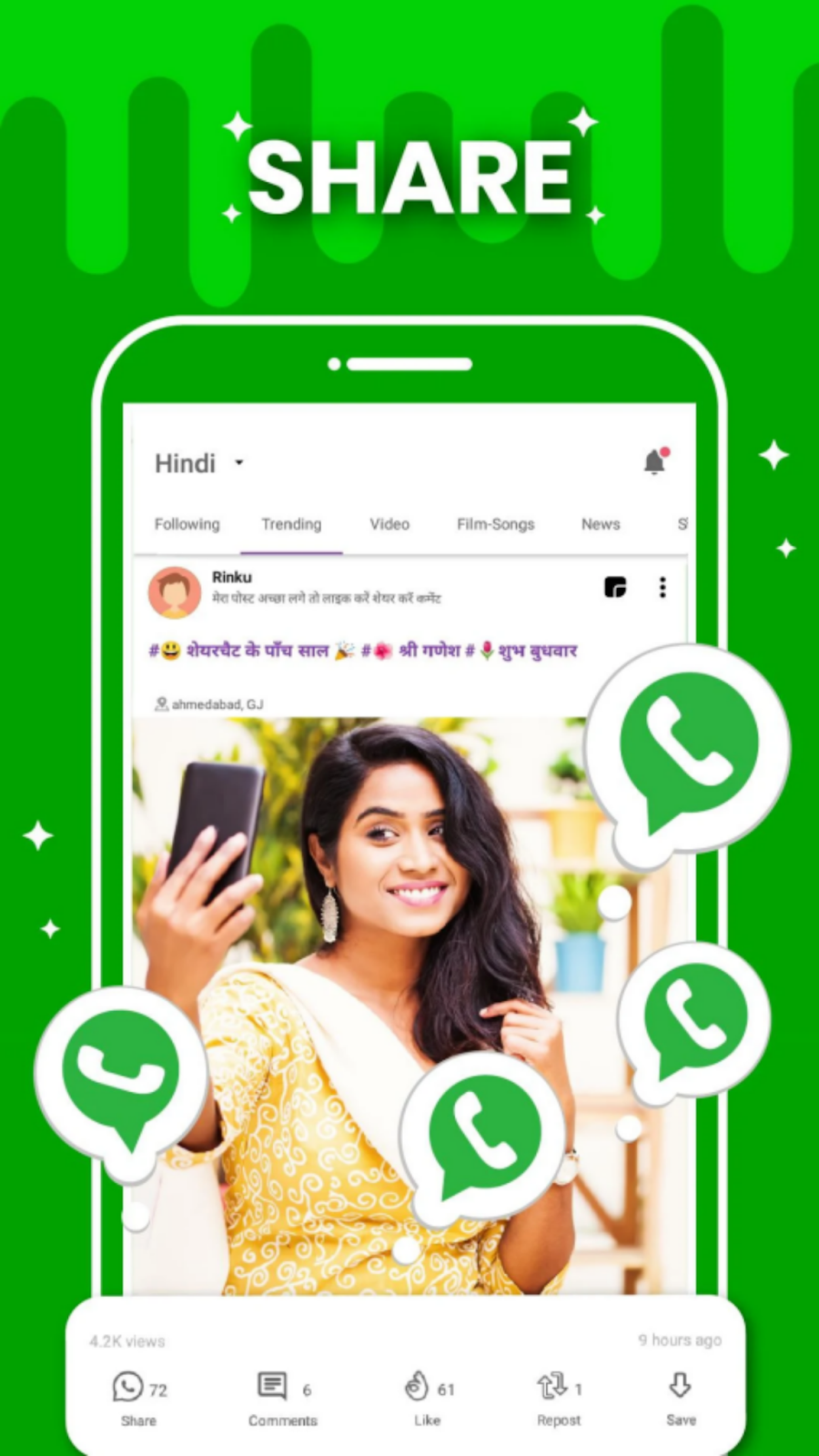
ShareChat also launched ShareChat Lite and developed a self-adapting video-stream distribution approach. Content could be packaged at different resolutions so that devices could select a version appropriate to the user's connection and playback environment.
The platform additionally offered users several ways to earn money, including rewards for referred downloads, advertising commissions and creator rewards. The popularity of online tutorials explaining how to earn more through ShareChat reflected how important these incentives had become to some users.
At the time of publication, live streaming and e-commerce were two of ShareChat's main product priorities. An October 14 update introduced a "Surprise Chest" feature that rewarded users for accumulating live-stream viewing time, alongside live-room entrance effects and full-screen gift effects.
The original article also cited ShareChat's CEO as saying that video e-commerce would be a major focus over the following two years and that a large portion of revenue was expected to come from this field by the end of 2022.
It further referenced a WATConsult report stating that around 146 million users in India made purchases or transactions on social platforms, representing nearly 49% of the country's e-commerce users, with the group projected at the time to reach 216 million by the end of 2022.
ShareChat's marketing strategy also leaned heavily on local emotion, identity and faith. According to SocialPeta's Popular Creative Analysis Model, its most popular ad during the six-month period was a video celebrating Maha Shivaratri. The creative generated more than 17.5 million views and 133,000 likes in less than two months.
Moj: Emerging as a TikTok Successor
A wave of short-video apps appeared after TikTok was banned in India. Moj, developed by ShareChat's parent company, became one of the strongest competitors, adopting familiar short-video product patterns across its feed design, recording tools, filters and user experience.
Like ShareChat, Moj also offered users ways to make money. In addition to commissions for referred downloads, the app included a "Watch Ads for Money" model. These earning opportunities were prominently promoted in application-store listings.
Moj also used celebrity partnerships to increase awareness. According to SocialPeta's Popular Creative Analysis Model, one of Moj's most successful ads featured Indian celebrity Shehnaaz Gill with the claim "India's largest short video app" and a prominent download call to action.
The creative had been running for 356 days and generated more than 10 million impressions during the period described in the original article.

In March 2022, Moj also announced cooperation with Flipkart, allowing users to access the Indian e-commerce platform for shopping directly through Moj. The partnership illustrated the broader convergence between short-video engagement and social commerce highlighted throughout the article.
E-commerce partnerships were one direct route to monetization, but SocialPeta's revenue ranking showed another important pattern: video-chat apps and short-video apps occupied similar shares of the top 10. That raised a different question — why were users willing to spend directly inside video-chat products?
Chamet: Monetizing Paid Video Chat
Chamet, a video-chat app, topped the revenue ranking during the six-month period covered by the original analysis, with quarter-over- quarter growth of 510.74%.
The article listed five top-up options: $0.99 for 4,500 Diamonds, $2.99 for 51,000 Diamonds, $9.99 for 45,000 Diamonds, $29.99 for 135,000 Diamonds and $99.99 for 450,000 Diamonds. Using the lowest tier as an example, the original analysis estimated that about $1 allowed a user to chat for approximately two minutes.
Based on the download and revenue data available to SocialPeta at the time, each download generated around $1.53 in revenue. The original article interpreted this as equivalent to an average of more than 2.5 minutes of paid chatting after download.
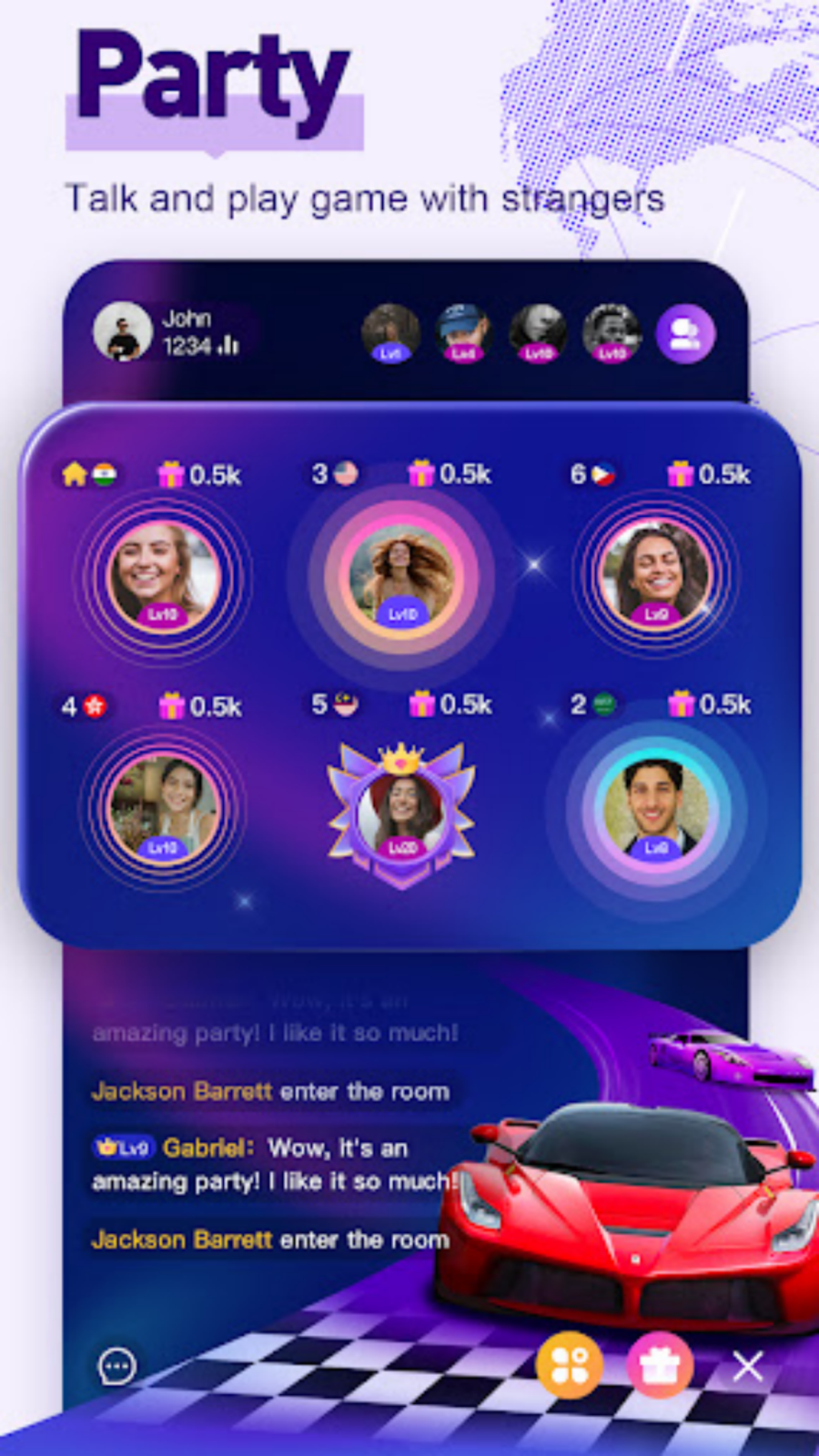
SocialPeta highlighted several product mechanics Chamet used to encourage Indian users to spend both time and money:
- Low-friction onboarding and communication: New users received a free trial, messages could be automatically translated according to the phone's system language, and users could initiate video calls or use a "Fast Match" function for random matching.
- Multiple spending scenarios: Beyond one-to-one paid chat, users could create video chatrooms and send virtual gifts.
- Flexible top-up options: The product supported repeated smaller purchases rather than requiring users to make a single large payment.
Chamet also added a "Live Room Music" feature in an update released on October 13. The original analysis viewed this as an example of improving the live-room experience while simultaneously expanding opportunities for monetization.
Tiki: Creators, Live Streaming and Social Commerce
Tiki recorded 758.72% quarter-over-quarter revenue growth during the six months covered by the article, exceeding Chamet's 510.74% growth rate.
As a short-video app, Tiki's revenue model was closely connected with creator commissions. The platform invested heavily in encouraging creators while also attempting to build support through community and public-interest initiatives.
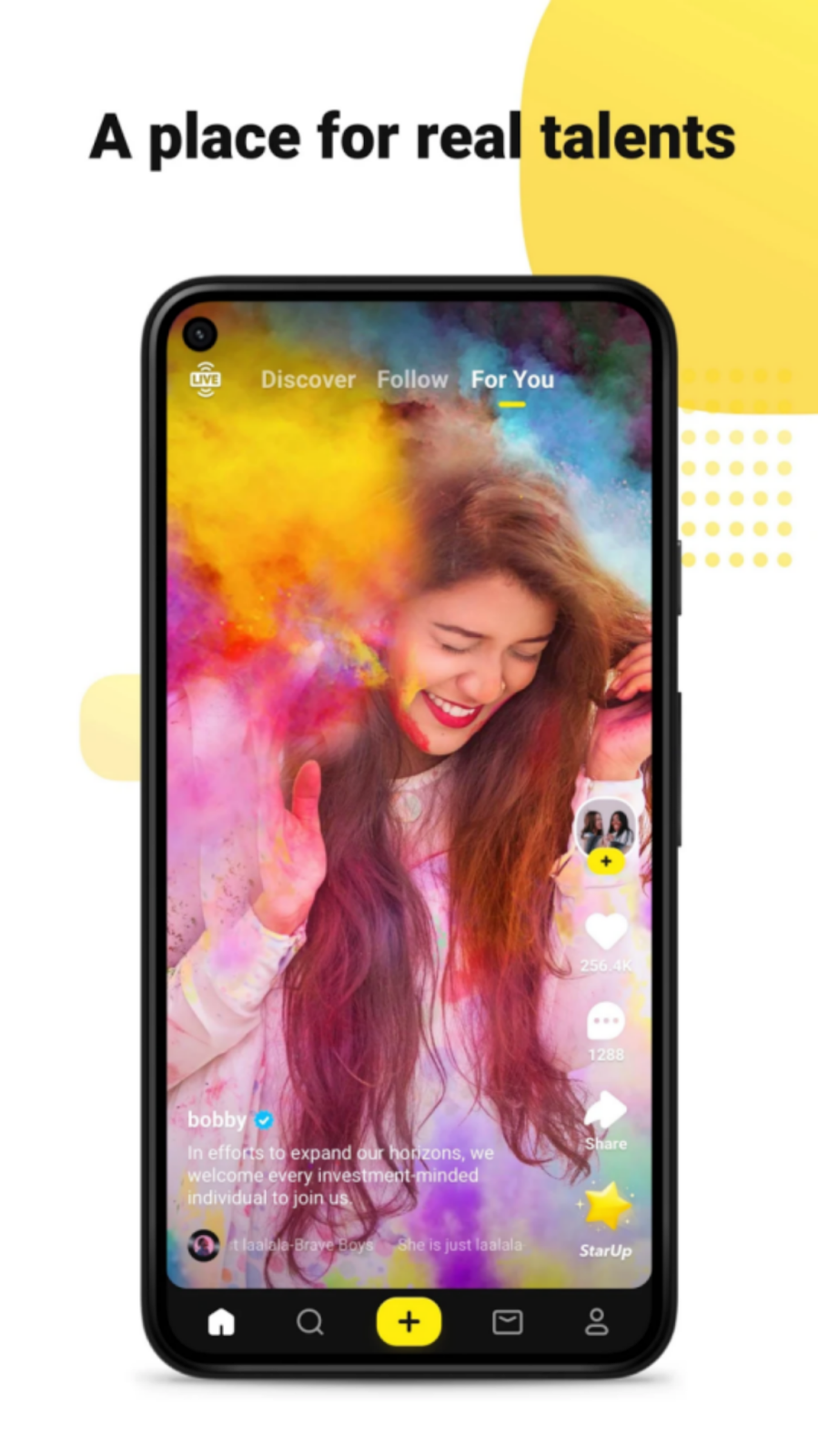
In March 2022, less than two months after launch according to the original article, Tiki organized its first "Tiki Star Award" to recognize users demonstrating their talents. Winners were selected through online voting.
The article quoted Tiki CEO Ian Goh describing the company's vision as creating a community for talent and supporting creators. SocialPeta's analysis linked this positioning directly with Tiki's advertising approach.
According to SocialPeta's Popular Creative Analysis Model, one of Tiki's longest-running ads in India featured several Indian women with different styles singing and dancing.
The production was relatively simple, but SocialPeta argued that a performance rooted in an everyday setting could make ordinary users feel that content creation was accessible to them, reinforcing the platform's message of supporting everyday creators.
In August 2022, Tiki collaborated with Bhumi, an Indian civil-society organization, on community welfare activities connected with the 75th anniversary of India's independence. Activities described in the original article included distributing food and seedlings and promoting transportation safety.
On September 12, Tiki launched a "Live Room Real-Time Chat" feature and improved live-streaming picture quality, further demonstrating its focus on live interaction.
At the time this article was written, Tiki was also planning to enter social e-commerce. Ian Goh was cited as saying that the platform expected to launch e-commerce services in Q4 2022 or Q1 2023.
Taken together, the five cases showed several recurring strategies in India's 2022 social app market: lightweight products, multilingual localization, creator incentives, live-stream engagement, celebrity or culturally relevant advertising, and a growing connection between social interaction and commerce.