
Why Pay More: Does Premium Really Equal Quality?
Premium traffic sources are often treated as a shortcut to higher-quality user acquisition. This article examines why that assumption can be misleading and why traffic quality should be evaluated through performance data, analytics, and source diversification instead of brand reputation alone.
Debunking the Premium Traffic Myth
Zorka.Agency explored these challenges in its in-app advertising research and accompanying white paper. The purpose was not to dismiss premium traffic sources, but to encourage a more constructive discussion about how in-app user acquisition quality should actually be measured.
A case study comparing premium and classic traffic
Imagine two advertising campaigns with nearly identical performance metrics. One comes from a premium source, while the other comes from a lesser-known "classic" source. Without seeing the source names, could you reliably identify which campaign was premium?
The case presented in the white paper challenges the assumption that the premium source should automatically outperform the alternative.
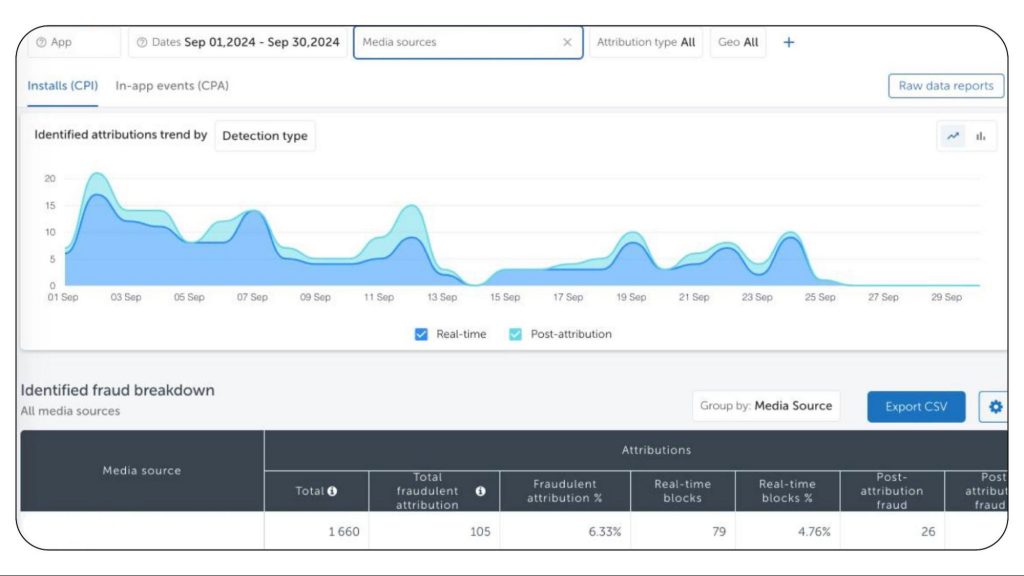
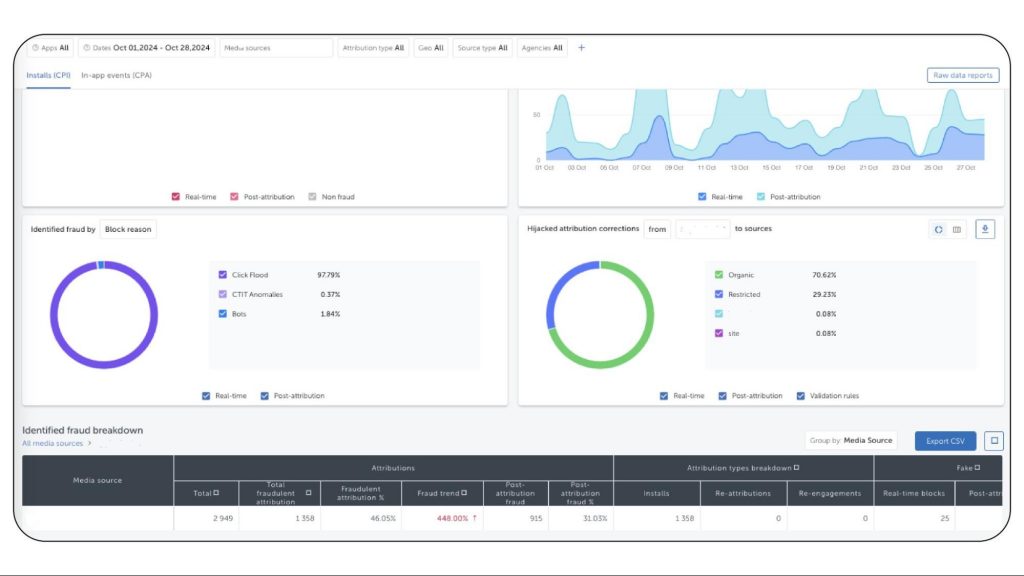
In the analysis presented by Zorka.Agency, the two examples did not show a significant difference in traffic quality. The broader takeaway from the case study is not that premium inventory lacks value, but that a premium label alone does not prove superior performance.
The Role of Trackers and Anti-Fraud Systems
Trackers and anti-fraud systems play an important role in mobile advertising measurement, but they are not immune to differences in methodology and market dynamics.
According to the original analysis, a lack of standardized approaches to handling and classifying traffic can contribute to:
- Unclear pricing
- Misplaced distrust in traffic quality
- Over-identification of fraud where none exists
This competitive environment can distort how advertisers perceive different traffic sources and make it harder to distinguish between legitimate inventory, weak-performing inventory, and genuinely fraudulent activity.
For advertisers, the practical implication is that a source should not be judged solely by its brand recognition or by a single anti-fraud signal. Traffic evaluation works best when attribution, downstream performance, internal business data, and campaign context are considered together.
A Mixed Traffic Strategy for Quality and Scale
The central recommendation in the original article is diversity. Instead of relying exclusively on premium inventory, advertisers can combine traffic from different sources and use analytics to determine where both quality and scalable volume can be found.
Benefits of a mixed approach
- Budget savings: Premium and classic sources may sometimes share underlying sub-sources. In those cases, advertisers need to determine whether a higher price is buying measurably better results or primarily the reputation of the platform through which the traffic is purchased.
- Campaign scaling: Depending only on premium traffic can limit available inventory. A campaign may meet its KPIs but still struggle to increase volume as more advertisers compete for the same premium supply.
Managing risk with analytics
The original article argues that risks can be controlled when teams have appropriate analytics, CRM checks, BI capabilities, and timely campaign optimization in place. These controls help marketers identify waste and decide which traffic sources deserve additional budget.
The point is not to replace one rigid rule with another. A mixed approach still requires disciplined measurement. Alternative traffic should earn budget through its results rather than receive automatic trust simply because it is cheaper.
How to Evaluate Traffic Sources
When selecting traffic sources, the original recommendations emphasize practical evidence rather than brand recognition or hearsay.
Advertisers should consider:
- Their own campaign experience and historical performance
- An established blacklist based on observed traffic problems
- Relevant recommendations from experienced industry partners
These inputs should then be combined with campaign analytics so that every traffic source is evaluated against the same business goals, rather than being approved or rejected purely because of its name.
Key Takeaways from Years of Experience
- KPIs are not guaranteed by a premium label. Campaign success depends on setup, measurement, optimization, and how well a traffic source matches the advertiser's actual objectives.
- Be cautious of DSPs that use "premium" primarily as a marketing claim. The original article warns that some DSPs may promote themselves as premium while still working with questionable SSP inventory or practices such as PID swapping.
- Quality traffic can also exist in less prominent sources. Advertisers that automatically exclude classic or lesser-known channels may miss traffic capable of meeting their performance requirements.
Ultimately, "premium" should be treated as a category or positioning signal, not as proof of campaign quality. The more reliable approach is to compare sources through measurable outcomes, fraud controls, downstream user behavior, and the ability to scale.