
How to Design Advertising Creatives for Roguelike Games?
Roguelike games can stand on the shoulders of medium-to-heavy games as well. Explore how gameplay, strategy guides, pixel art, humor, immersive battles, and RPG-inspired presentation can shape game advertising creatives.
The Next Level, the film that became a hit that December, made the adrenaline of many moviegoers and game fans surge. The real-world cast entered an RPG-style game world and attempted to clear its stages. The thrills, excitement, action scenes, and contrast between the characters inside and outside the game successfully created plenty of humor for the audience. This is part of why RPGs have been so widely favored.
As a subgenre of RPGs, roguelike games had also begun attracting growing attention. One of their most distinctive features is that every adventure can feel unique and difficult to reproduce exactly. Game content, maps, enemies, inventories, and sometimes characters can be procedurally or randomly generated. When a run ends, players often have to begin again, encouraging constant curiosity, adaptation, and improvisation.
Roguelike Game Ad Creative: Strategy Guides and Pixel Art
According to SocialPeta's observations at the time, roguelike games such as Archero, Combat of Hero, Soul Knight, The Binding of Isaac, and Gumballs & Dungeons had attracted increasing attention in the industry. Compared with many other game genres, pixel-art and pixel-inspired graphics were particularly visible among the creative elements used to advertise roguelike titles.
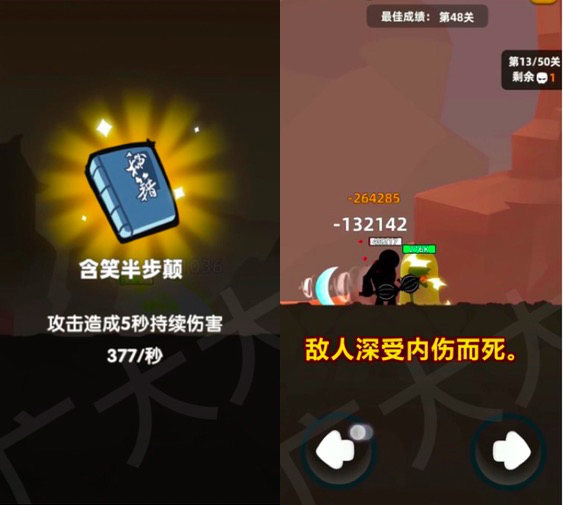
In terms of creative content, gameplay demonstrations, walkthrough-style sequences, core selling points, and important battle scenes were frequently emphasized. These presentations often used a relaxed, humorous, exaggerated, exciting, or highly immersive tone.
One Combat of Heroadvertising creative, for example, used the familiar "laughing Stephen Chow" meme to communicate the game's entertainment value and playability, using humor to capture players' attention.
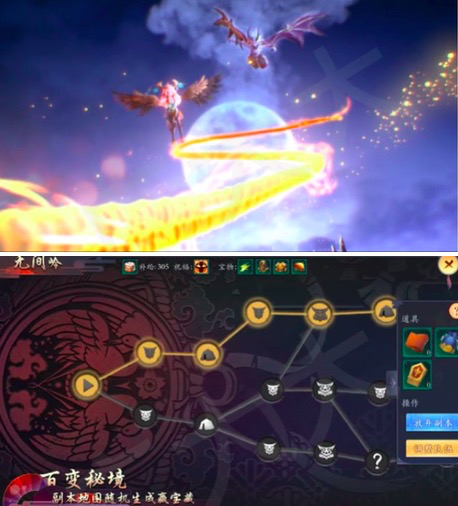
From a presentation perspective, roguelike game advertising creatives can use multiple production approaches to trigger emotion and curiosity from different angles. These may include intense sensory stimulation, worlds that mix fantasy with reality, comparisons between different player states, and story-driven presentations of the game's lore.
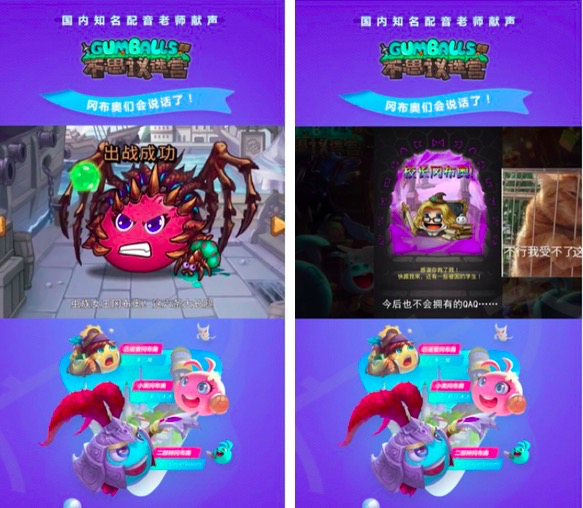
From an art and design perspective, many roguelike games use pixel- or voxel-inspired environments with high saturation and strong contrast. Important objects are visually emphasized, while the overall composition follows a clear gameplay logic. This can create an immediate visual impact for viewers.
The maze-exploration mobile game Gumballs & Dungeons, for example, used advertising creatives that combined mixed-reality imagery with humorous fictional voiceovers. This approach helped the creative break away from a straightforward gameplay demonstration and make the presentation more entertaining.
Drawing Inspiration from Medium-to-Heavy Games
Some creative elements used by roguelike games can also be connected to patterns seen in medium-to-heavy games. Roguelike developers and marketers can therefore look at the creative experience of those adjacent categories when developing advertising concepts.
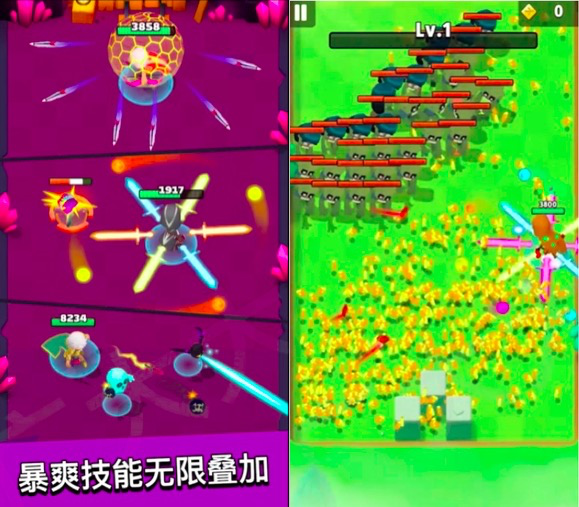
According to SocialPeta's statistics at the time, the creative types used to promote Archero shared a degree of similarity with advertising creatives for medium-weight games. This suggested that some design elements could be adapted across related categories rather than treated as exclusive to a single genre.
The Binding of Isaac offers another distinctive example. Its religious references, unusual symbols, deliberately dark scenes, and unconventional sound design contribute heavily to the atmosphere and narrative identity of the game.
These elements show how a roguelike creative can communicate more than its core mechanics. Visual language, sound, narrative tone, and world-building can all help express the personality of a game and make its advertising more recognizable.
Creative Takeaways for Roguelike Advertising
At the time this article was originally published, roguelike games still occupied a relatively specialized position within the broader gaming market. SocialPeta's original conclusion was that the genre nevertheless had room to move toward more mature commercialization.
For marketers, the examples above point to several practical creative directions:
- Show real gameplay, important battles, progression, and walkthrough-style moments rather than relying only on cinematic presentation.
- Use the visual identity of the game — including pixel art, voxel environments, high contrast, and distinctive character design — as part of the advertising hook.
- Use humor, exaggeration, surprise, and sensory stimulation to make repeated gameplay mechanics feel more entertaining in a short creative.
- Borrow suitable presentation patterns from RPG and medium-to-heavy game advertising when they match the title's mechanics and audience.
- Explore the replay value and narrative depth of the roguelike format as additional reasons for players to return.
Ultimately, the strongest creative direction should make the roguelike experience understandable before asking the audience to install: what changes between runs, what makes combat satisfying, what creates tension, and why the player should want to try again after failure.