When AI Starts “Acting”: Can the Surge of AI Live-Action Short Dramas Cross Cultures and Trigger Empathy?
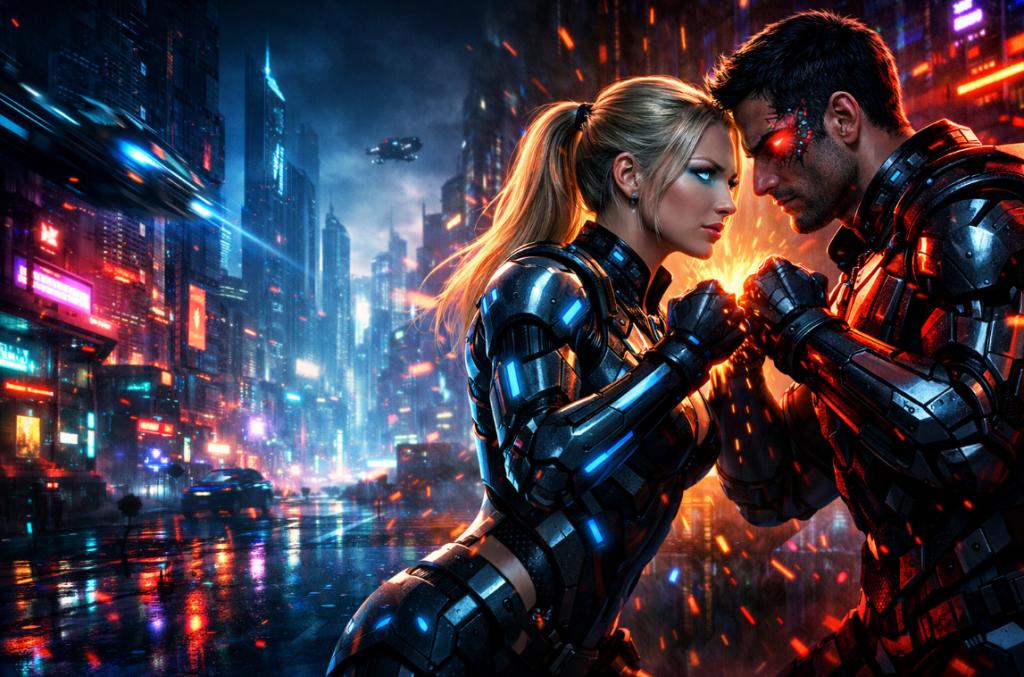
From the early days of formulaic power fantasies and boundary-pushing content to the middle phase where platforms competed on quality, volume, and tech, short dramas have undergone multiple 'iterations.' Now, swept up in the Sora/Seedance 2.0 AI wave, the industry has finally evolved into 'Actorless Dramas.' AI-simulated avatars have replaced real actors; and while they are still recognizably AI, there is no significant drop in the viewing experience. In fact, for specific genres like fantasy and werewolf stories, AI actually holds a distinct creative advantage.

But the question is: will picky audiences actually buy it?"
Three Waves of Iteration: From Local Breakthroughs to AI-Driven Expansion
The First Wave (Pre-2022): The Wild Growth of Live-Action Micro-Dramas
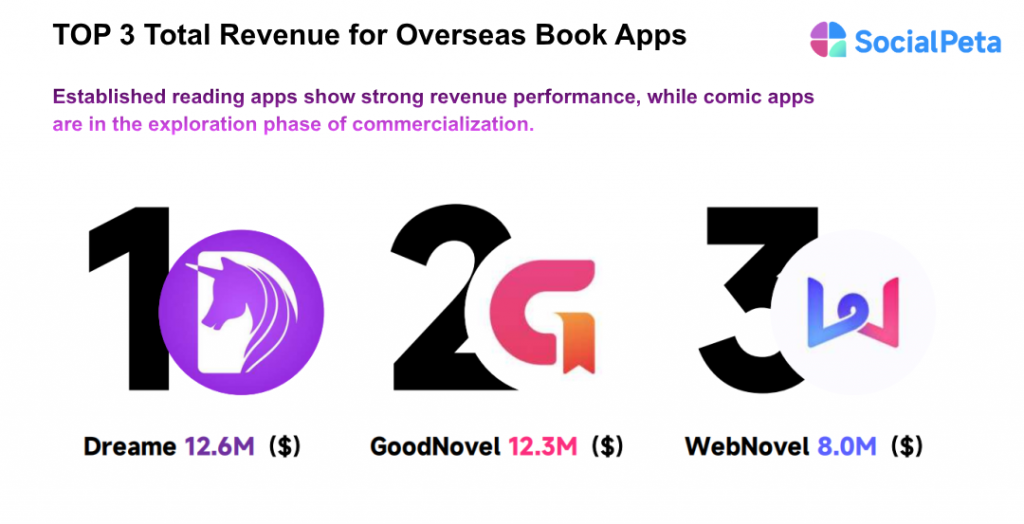
Prior to 2022, the short drama sector had yet to see a dominant platform; the market was in its infancy, a state of 'primordial chaos.' The plot formulas and production pipelines that are now tried and tested had not yet been unearthed. At that time, potential short drama audiences were still getting their fix of 'CEO romance' and 'sweet love' through web novel platforms like Dreame and GoodNovel.
The Second Wave (2022–2024): Premiumization and Hyper-Competition in global Markets
In August 2022, Crazy Maple Studio officially launched ReelShort, its short drama product tailored for global markets. That same year, Anyue Technology rolled out FlexTV globally, formally kicking off the international expansion of Chinese short drama producers.
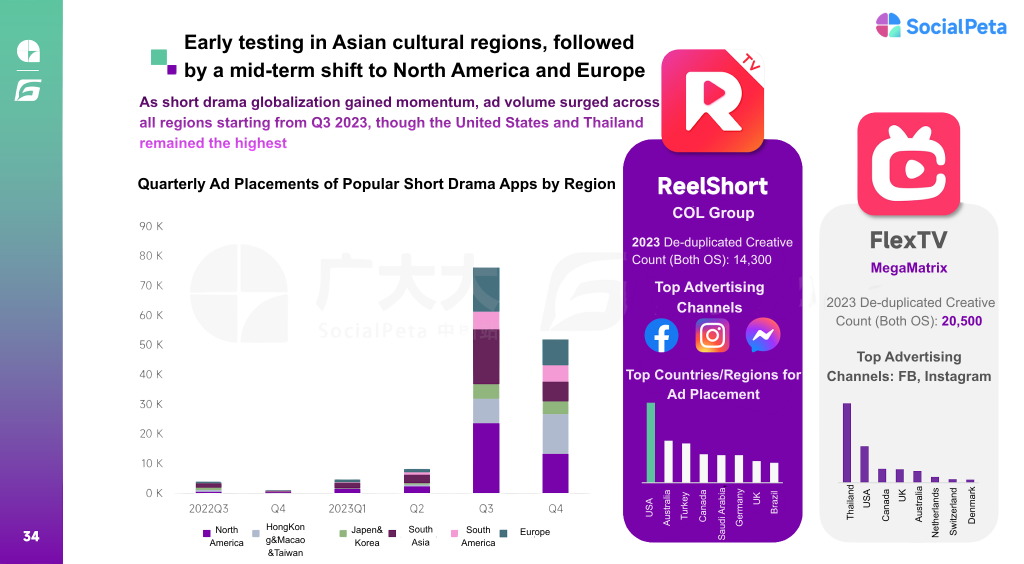
In November 2023, ReelShort surpassed TikTok to claim the top spot on the U.S. iOS Entertainment Free Chart, marking the transition of the short drama export industry from a testing phase to an explosive period. During the same year, various short drama platforms began expanding global market one after another, leading to a flourishing market where the sector's scale expanded rapidly and business models became increasingly mature.
By 2024, short drama globalization entered the fast lane. Established powerhouses such as ShortMax, DramaBox, and MoboReels]increased their ad placements to compete for top-tier positions. ByteDance's new platform Melolo and the flagship product My Drama from a Ukrainian firm also joined the fray that year. Beyond American-style short dramas, localized works tailored for the Japanese market, such as "The Billionaire's Divorced Granddaughter" (大富豪のバツイチ孫娘), were successively released. This period saw a simultaneous improvement in both the overall production quality and the localized operational capabilities of overseas short drama content.

The Third Wave (2025–Present): AI Explosion and Total Industry Restructuring
Moving into 2025, the internationalization of short dramas is no longer limited to Chinese players. In addition to the previously mentioned My Drama with its Ukrainian background, India's KukuTV and South Korea's VIGLOO have successfully broken through from among the crowd of Chinese platforms. At the same time, AI "Manhua-Dramas" (comic-style dramas) have expanded from the Chinese market to global market. Initially, these were relatively rudimentary, consisting mainly of basic AI-stylized filters and motion comics. However, with the rapid iteration of AI technology, high-quality 2D and 3D AI Manhua-Dramas have quickly flooded the global market. The combination of well-established "Sweet Romance" themes and overwhelming technical superiority has swiftly solidified the AI Manhua-Drama craze.
In February 2026, with the release of ByteDance's Seedance 2.0, fierce internal competition within the AI-generated product industry was ignited. As AI short dramas began to reach the general public, the global short drama market finally arrived at its true turning point.

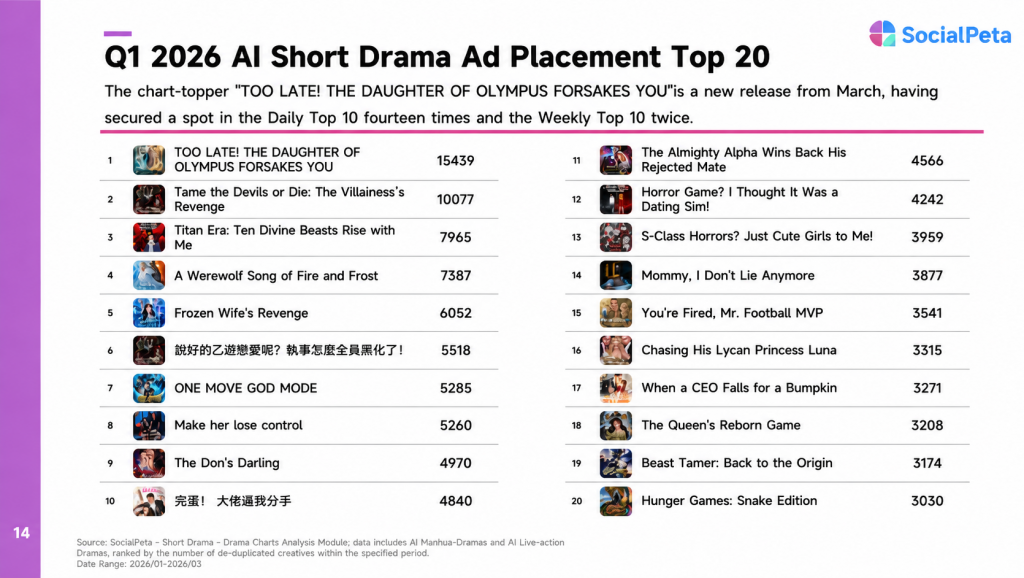
Based on data from SocialPeta's Short Drama Charts, we have compiled the AI Short Drama Ad Placement Rankings for Q1 2026. Notably, AI live-action dramas have secured 7 spots within the Top 20 (ranking 1st, 4th, 7th, 11th, 14th, 15th, and 16th respectively).
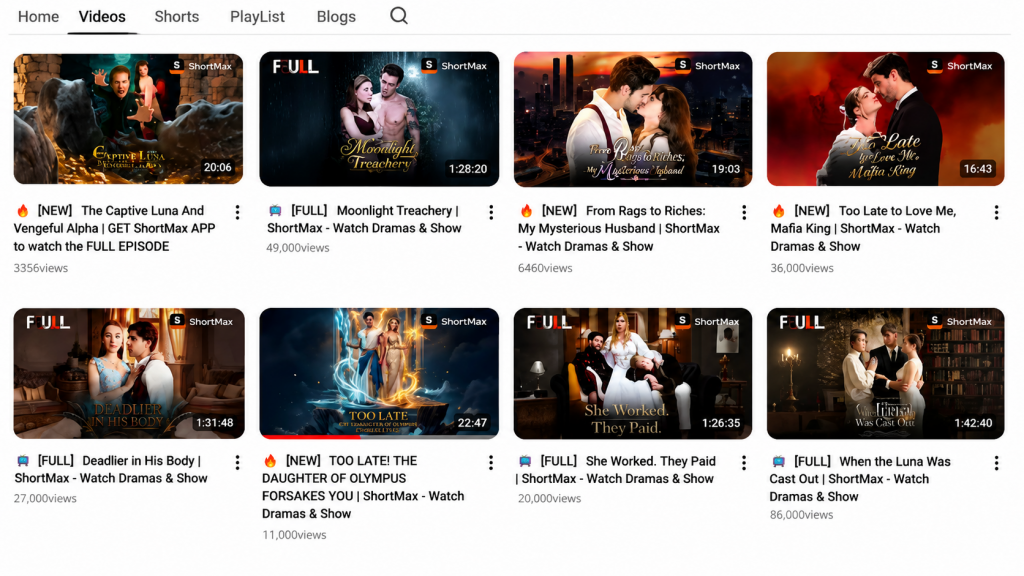
The chart-topper, TOO LATE! THE DAUGHTER OF OLYMPUS FORSAKES YOU, is actually a new release from March. In addition to being the Q1 ad placement champion, it secured a spot in the Daily Top 10 fourteen times and the Weekly Top 10 twice, clearly demonstrating the platform's high expectations and strong backing for this title.
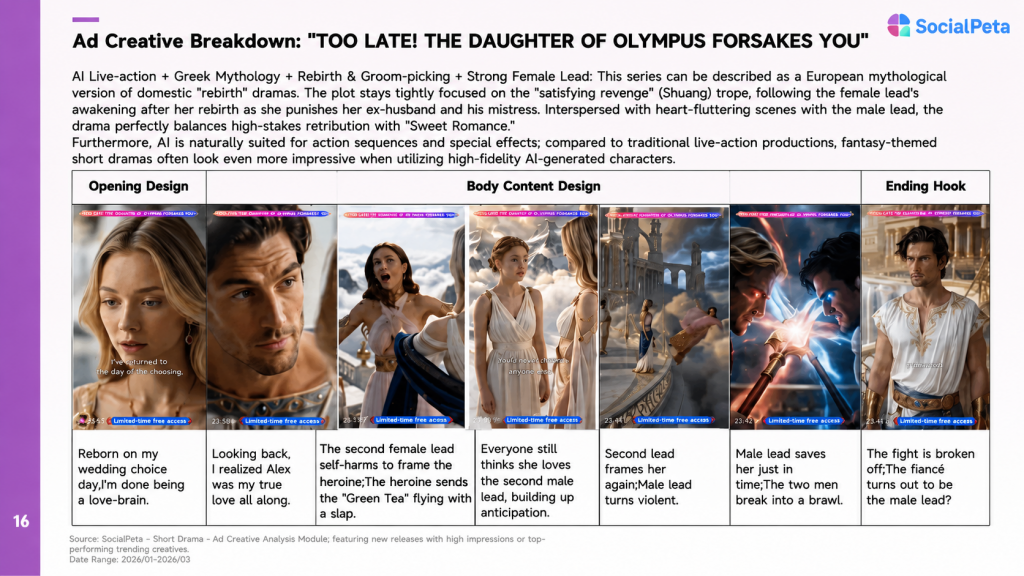
From a plot perspective, this series is essentially a European mythological adaptation of the domestic "rebirth" (Reincarnation) genre. The narrative stays tightly focused on the heroine's awakening after her rebirth—rejecting the "damsel in distress" (White Lotus) trope to instead deliver satisfying revenge against her ex-husband and his mistress.
Judging from the feedback from global audiences, there has been no significant pushback against the AI-generated characters. In fact, many viewers have been raving about the male lead's looks in the comments, and after paying for a subscription, they’ve even gone back to watch the series repeatedly.
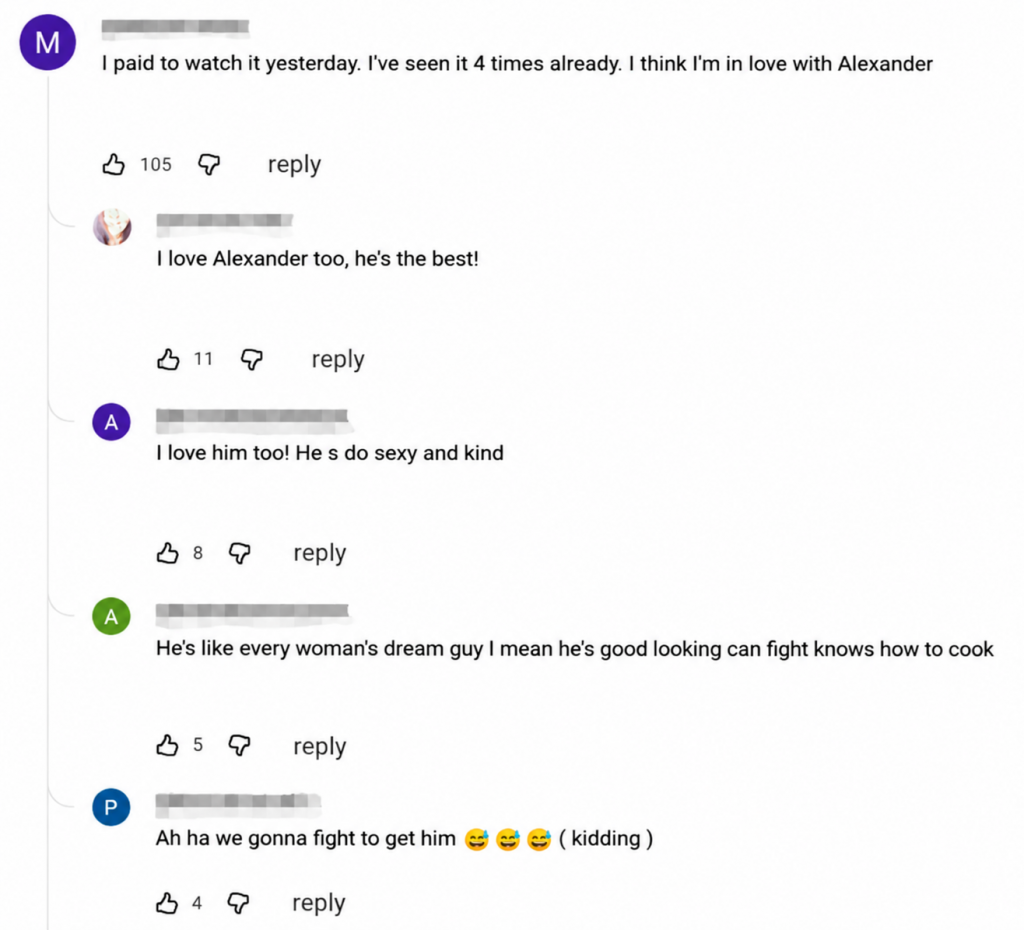
Audiences love the "loyal dog" type—handsome, devoted male leads
It is worth mentioning that the series has already surpassed 140k views on ShortMax's official YouTube channel, making it one of the top-performing titles among their new releases over the past two weeks.
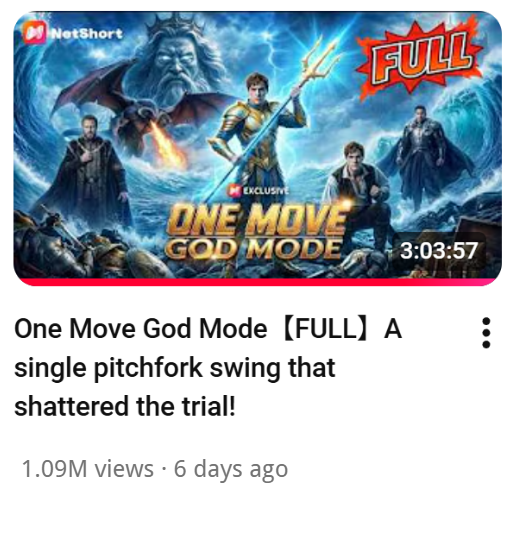
Interestingly, NetShort’s AI live-action drama ONE MOVE GOD MODE has also sparked a viewing craze globally, with some videos even surpassing a million views. This proves that whether the cast is real or AI-generated, as long as the plot is compelling and the characters are attractive, international audiences are more than willing to tune in.
From "Human-Led Content" to "Content-Generated AI": The Underlying Logic of Short Dramas is Being Rewritten
Looking back at these waves of excitement, a more fundamental change is unfolding:
Between the first and second generations, the core of short dramas remained "people performing content." Whether it was the early unrefined productions or the later shift toward premium, industrialized standards, the essence was optimizing content supply through better actors, more mature filming systems, and more efficient production workflows.
But in the AI era, this logic is beginning to reverse: content no longer relies on "human production"—it can be "generated." When actors, scenes, and even emotions can be parameterized, the competitive edge of short dramas shifts from "production capability" to "generative capability." The significance of global AI live-action dramas is no longer about replacing traditional filmmaking, but about restructuring ad distribution.
Short dramas, especially in the global market, are essentially a dual-driven industry of content + distribution. The true value of AI live-action dramas lies in:
- The ability to infinitely generate different versions (genres, languages, live-action vs. manga).
- The ability to rapidly test different plot hooks.
- The ability to dramatically shorten content iteration cycles.
In other words, it functions more like an accelerator for content industrialization.
For a long time, localization + live actors was one of the core competitive advantages for short dramas going global. Now, this barrier is being eroded by AI. In fact, AI holds a distinct advantage in fantasy genres: it is free from physical constraints, offers virtually zero-cost visual expansion, and allows for more easily realized, exaggerated emotional expressions. In certain dimensions, AI dramas have become the optimal solution.
However, a more cautionary signal has also emerged—the supply of short drama content is becoming "infinite." If the industry's biggest constraint in the past was the inability to film fast enough, that constraint is now disappearing.
What AI brings is not just an efficiency boost, but a shift in the supply curve: content production capacity is growing exponentially, and the space for content testing has been blown wide open. According to first-hand industry experience, the production of a single short drama episode has been compressed to under 15 minutes. This impact may shift future competition from "content creation" directly to "filtering capability"—whoever can identify "effective content" faster will emerge as the winner.
Returning to the initial question: Will picky global users truly accept AI live-action dramas? Based on current feedback, the answer is more straightforward than expected: they don't care whether it's AI or not; they still care about the primal strengths of short dramas—is it good, is it satisfying, and is it addictive?
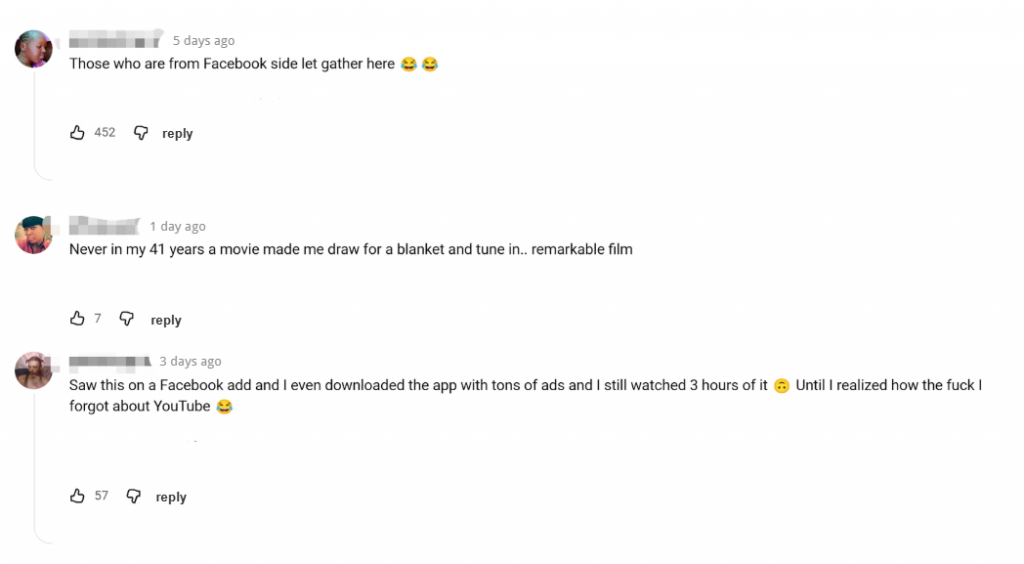
When AI can consistently deliver these experiences, "whether it's a real person" ceases to be the deciding factor. As AI live-action dramas mature, a fundamental industry question now stands before all practitioners: if "human talent" is no longer a scarce resource, then what truly is the scarcity in the short drama industry?
Is it IP? Is it narrative capability? Or is it the understanding of user emotions?
Or perhaps—
When everyone can mass-produce content, what truly widens the gap will no longer be "production," but "selection."